
Why Parental Burnout Isn't a Personal Failing


The experience of parental burnout is often shrouded in shame, perceived as a private admission of inadequacy. It manifests as profound emotional exhaustion, a growing detachment from one's children, and a sense of diminished personal accomplishment in the parenting role. However, it is essential to reframe this condition not as a personal failing or a lack of love, but as the logical endpoint of prolonged exposure to chronic, unmanageable stress. It is an understandable human response to a set of circumstances that consistently demand more than one has to give, challenging the very core of a parent's well-being.
The Societal Pressures Fueling the Fire
Contemporary parenthood operates under a microscope of intense social expectation. The rise of 'intensive parenting' ideology has transformed child-rearing from a natural life stage into a high-stakes performance, where every decision is scrutinized for its potential to optimize a child's future success. This cultural script is amplified by the curated perfection seen on social media, creating an impossible benchmark that leaves many parents feeling perpetually behind. The pressure to be constantly available, emotionally attuned, and educationally stimulating, all while managing careers and households, creates a recipe for systemic exhaustion that has little to do with an individual's capacity or commitment.
The Erosion of the 'Village'
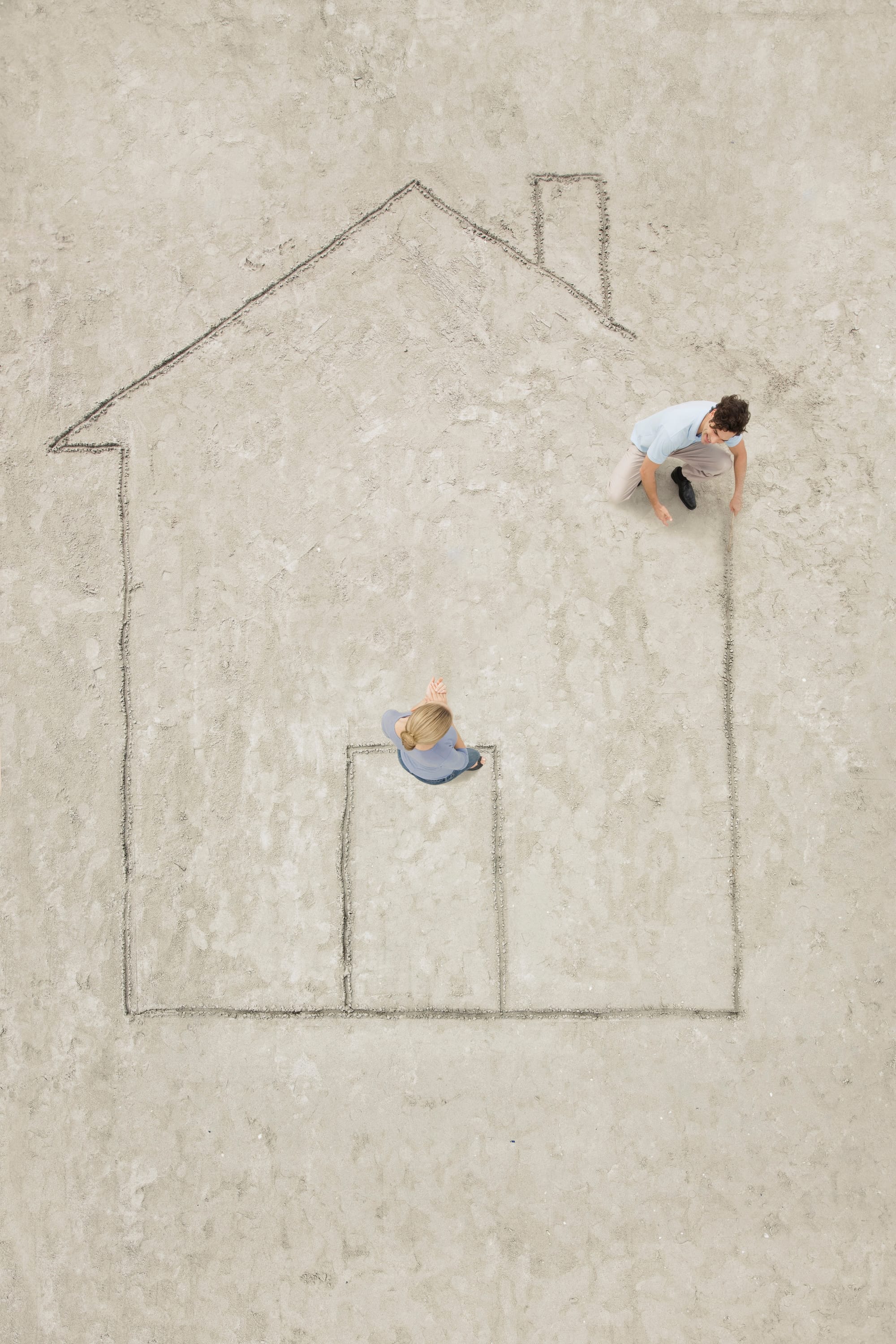
Historically, the responsibilities of raising children were diffused across a community network of extended family, neighbors, and friends. This 'village' provided practical support, emotional relief, and a shared sense of responsibility. In recent generations, however, increased mobility and changing social structures have dismantled these traditional support systems, leaving the nuclear family to function in relative isolation. This atomization concentrates the immense weight of child-rearing onto one or two individuals, an arrangement that is historically anomalous and inherently fragile. Without the buffer of a community, parents are left to absorb every stressor and meet every need on their own, a task that is simply unsustainable over the long term.
The Invisible Labor of Parenthood
A significant contributor to parental burnout is the relentless and often unrecognized cognitive work required to manage a family. This 'mental load' encompasses the endless stream of planning, scheduling, anticipating needs, and managing the emotional temperature of the household. It is the invisible labor of remembering dental appointments, tracking school project deadlines, and mediating sibling disputes. This constant background processing is incredibly draining, consuming mental and emotional resources without producing a tangible result, leaving parents feeling depleted even when they appear to be at rest.
Reframing Burnout as a System Signal
Viewing burnout through this lens allows for a critical shift in perspective. It ceases to be a reflection of your worth and becomes a signal that the system supporting you is inadequate. Burnout is an alarm bell indicating that the demands being placed upon you have far exceeded your available resources - be they time, energy, or social support. This reinterpretation is profoundly empowering because it moves the focus from self-blame toward problem-solving. It encourages parents to ask not 'What's wrong with me?' but rather 'What needs to change in my environment to make this sustainable?'.
Recognizing that burnout is a consequence of external conditions rather than an internal defect is the first step toward genuine recovery and building a more resilient family life. It allows for self-compassion and opens the door to seeking meaningful changes in support structures, personal boundaries, and societal expectations.
True strength lies in acknowledging the need for support.

Subscribe & Stay with Us