
What Smart Parents Stopped Buying in 2026 and What They Choose Instead

In today’s parenting world, the choices are endless. From trendy toys to gadgets, parents are often overwhelmed by the sheer number of products marketed as “must-haves” for their children. But in 2026, many parents have shifted gears, moving away from overhyped items and focusing on smarter, more sustainable choices. With rising prices and a growing push for conscious consumerism, parents are choosing products that serve multiple purposes, last longer, and truly support their child’s development.
In this post, we’ll explore what smart parents are skipping in 2026—and the products they’re opting for instead.
1. Noisy, Single-Function Toys
Why it’s losing appeal:
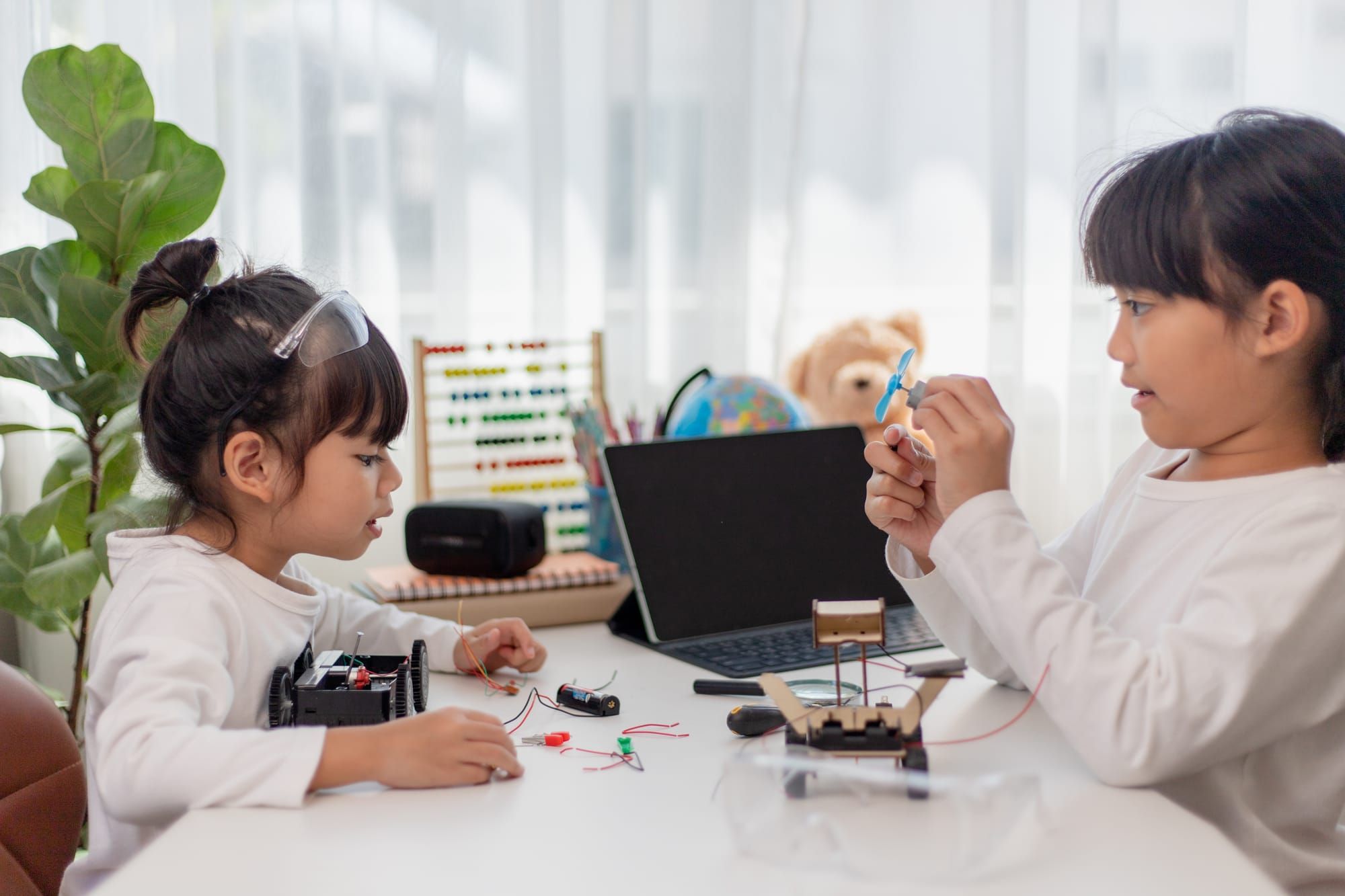
Noisy toys that only offer one way to play are losing favor for one simple reason: they don’t grow with the child. These toys are often over-stimulating, short-lived, and end up forgotten in a toy box. Parents are realizing that their children get far more out of imaginative play and toys that encourage creativity and problem-solving.
What they choose instead:
Instead of single-function toys, parents are leaning toward open-ended items like wooden building blocks, art supplies, and pretend-play kits. These toys encourage children to think for themselves and engage in imaginative play, which benefits both cognitive and emotional development. Building sets like LEGO or versatile items like dolls and figurines allow children to play in countless ways, keeping them engaged for years to come.
2. Registry Extras
Why it’s losing appeal:
Over time, many parents find that the items they register for at baby showers—often recommended by well-meaning friends and family—are either underused or totally unnecessary. Things like bottle warmers, wipe warmers, and complicated baby gadgets seem practical, but many parents quickly realize they don’t need them in daily life.
What they choose instead:
Parents today are focusing on the essentials: a high-quality crib, car seat, stroller, and a few well-chosen, multi-functional items. Instead of cluttering up the nursery with unnecessary gadgets, parents are buying products that will serve multiple purposes over time, such as a convertible crib that becomes a toddler bed or a car seat that grows with the child.
3. Overpriced Status Items
Why it’s losing appeal:
Parents are becoming increasingly selective about spending money on products simply because of their brand names or status. High-end diaper bags, designer strollers, and luxury baby clothes may be appealing, but many parents are realizing that these items don’t necessarily offer any additional value.
What they choose instead:
Smart parents are now prioritizing value over prestige, opting for practical, durable products that are less expensive but just as functional. For example, a sturdy, budget-friendly stroller or a diaper bag that’s organized and easy to carry will do the job just as well as the more expensive alternatives. It’s about making purchases that make life easier, not impressing others.
4. Bulky Diaper Bags
Why it’s losing appeal:
Bulky diaper bags filled with unnecessary “just-in-case” items are falling out of favor. While it’s important to be prepared for anything, parents are finding that they don’t need a bag that feels like a backpacking expedition for a short trip to the park.
What they choose instead:
Parents are opting for more compact, functional diaper bags that are organized, lightweight, and easy to carry. Many now prefer bags that are versatile enough to double as a purse or everyday bag. These bags are streamlined and often include separate compartments for diapers, snacks, wipes, and even a small first aid kit—without being bulky.
5. Nursery Decorations and Soft Extras
Why it’s losing appeal:
Parents are moving away from overly decorated nurseries and spending less on items that look nice but don't serve an immediate purpose, like plush pillows, large stuffed animals, and unnecessary wall decals. Many of these items just add clutter and require regular cleaning.
What they choose instead:
Instead of a fancy nursery, parents are opting for simple, functional spaces that focus on safety and ease of use. Baby-proofing is top of mind, with furniture that serves multiple purposes, like convertible cribs and storage that grows with the child. The focus is on practicality—choosing soft, washable, and safe materials that work in any setting, rather than decorative pieces.

Subscribe & Stay with Us
6. Duplicate Baby Gear
Why it’s losing appeal:
Having two sets of baby gear—one for each grandparent’s house, for example—seems convenient, but it’s often an unnecessary expense. Many parents find they’re spending money on duplicate products that their child rarely uses.
What they choose instead:
Instead of doubling up on gear, parents are opting for high-quality, versatile items that serve multiple functions and can be easily moved between locations. A high-quality travel crib, for instance, can be used at home or at the grandparent’s house, saving money and space. Likewise, products that are lightweight and portable, like strollers that fold easily and fit into a car trunk, make it easy to move things around.
7. Trend-Driven Purchases
Why it’s losing appeal:
Every year, new “hot” products flood the market, promising to revolutionize parenting. However, many of these trend-driven items don’t stand the test of time. Whether it’s a fancy high-tech baby monitor or the latest parenting gadget, not all trends are worth investing in.
What they choose instead:
Rather than following every new trend, smart parents are turning to timeless, long-lasting products. Items that grow with the child, like adjustable high chairs, developmental toys, and multi-functional gear, are becoming the go-to. These products have staying power and aren’t tied to fleeting trends.
Conclusion: Smart Parenting Isn’t About Buying Less — It’s About Buying Smarter
The key takeaway for parents in 2026 is that being smarter about purchases isn’t about buying less—it’s about making thoughtful, informed choices. Smart parents are investing in products that are truly useful, versatile, and beneficial for their child’s development, rather than succumbing to trends or the pressure of consumerism.
When it comes to parenting, less really can be more—but only if we’re choosing products that serve a long-term purpose and provide real value.