
What Makes a Children’s Product "Development-Friendly"?

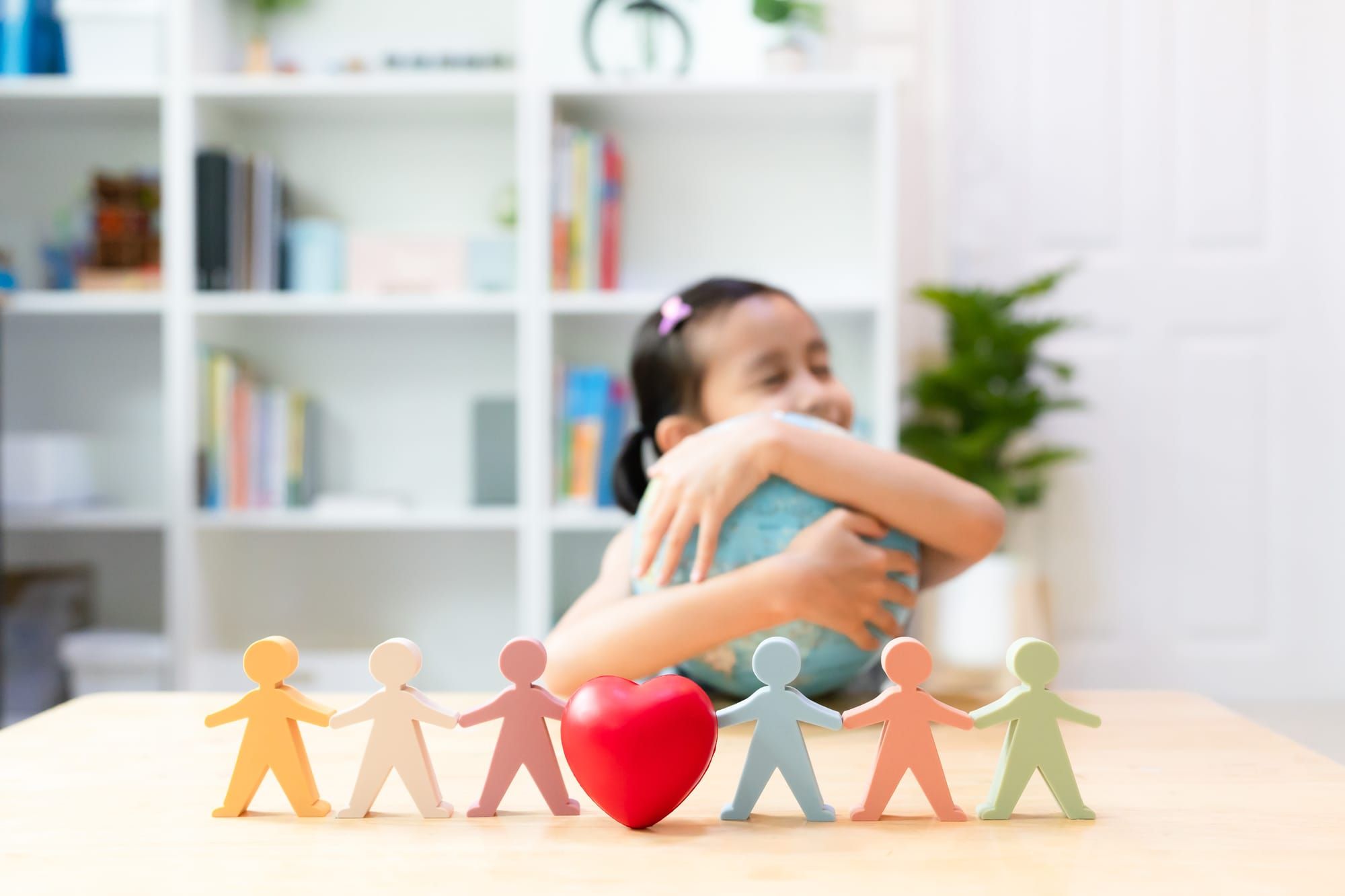
As parents, we’re often faced with countless products claiming to be educational, beneficial, or developmentally appropriate for our children. But what does it actually mean for a product to be “development-friendly”? It’s easy to get lost in flashy marketing or promises of educational benefits, but understanding what truly supports your child’s growth and development is key to making informed decisions.
In this post, we’ll explore what makes a product truly development-friendly and how you can choose items that promote your child’s cognitive, physical, emotional, and social development.
1. Promotes Cognitive Development: Encouraging Thinking and Problem-Solving
Why it matters:
Cognitive development is crucial for a child’s ability to think, reason, and understand the world around them. Toys and products that support cognitive growth help children build essential skills like memory, attention, problem-solving, and language development.
What to look for:
- Open-ended toys: These encourage creativity and critical thinking, allowing kids to use their imagination in multiple ways. Examples include blocks, dolls, and art supplies.
- Educational games and puzzles: Products that require problem-solving or learning patterns and sequences help develop logic and memory.
- Interactive learning tools: Items that engage children in active learning (such as books with questions or electronic devices that allow for interactive quizzes) can enhance cognitive skills.
Examples:
- Building blocks, shape-sorters, puzzles, and educational board games are development-friendly as they foster logical thinking and decision-making.
2. Supports Physical Development: Enhancing Motor Skills and Coordination
Why it matters:
Physical development is just as important as cognitive growth, particularly in the early years when children are learning to control their bodies. Toys and products that promote movement, fine motor skills, and coordination play a critical role in helping children develop their physical abilities.
What to look for:
- Toys that promote fine motor skills: Products that encourage gripping, stacking, or threading help improve hand-eye coordination and dexterity.
- Active play items: Anything that gets children moving—like balls, climbing toys, and riding toys—helps develop gross motor skills, balance, and coordination.
- Multisensory toys: Products that engage more than one sense at a time (e.g., toys that involve both touch and sight) are beneficial for sensory development as well.
Examples:
- Toys like building sets, craft materials, and balls encourage both fine and gross motor skills, aiding physical development at all stages.
3. Fosters Emotional Development: Building Self-Regulation and Empathy
Why it matters:
Emotional development involves learning to understand, express, and manage feelings. Products that foster emotional intelligence help children develop self-awareness, self-regulation, and empathy—skills that are crucial for personal well-being and relationships with others.
What to look for:
- Toys that allow for role-playing: Dolls, action figures, and other toys that encourage imaginative play help children practice empathy and understand different perspectives.
- Books and stories: Books that explore emotions, challenges, or moral lessons can help children develop emotional awareness and resilience.
- Products that encourage mindfulness: Simple toys like fidget spinners, stress balls, or calming kits can provide a way for children to calm down and regulate their emotions.
Examples:
- A dollhouse, toy sets with different family members, or storytelling books that focus on social-emotional themes all help foster emotional growth.
4. Encourages Social Development: Building Interaction and Communication Skills
Why it matters:
Social development is crucial for a child’s ability to interact with others, share, communicate effectively, and navigate social norms. Products that promote social play teach children how to engage, cooperate, and communicate with peers and adults.
What to look for:
- Group games and toys: Anything that involves taking turns, sharing, or working as a team fosters social skills. Board games, group activities, and team-oriented sports equipment are excellent examples.
- Toys that require cooperation: Collaborative building toys, or products that require more than one child to operate, help children learn the importance of working together and sharing responsibility.
- Interactive play products: Toys that encourage communication—whether through verbal or non-verbal interaction—help children practice their language skills and socialization.
Examples:
- Board games, team-based toys, or cooperative activities like building projects can all help improve social and communication skills.
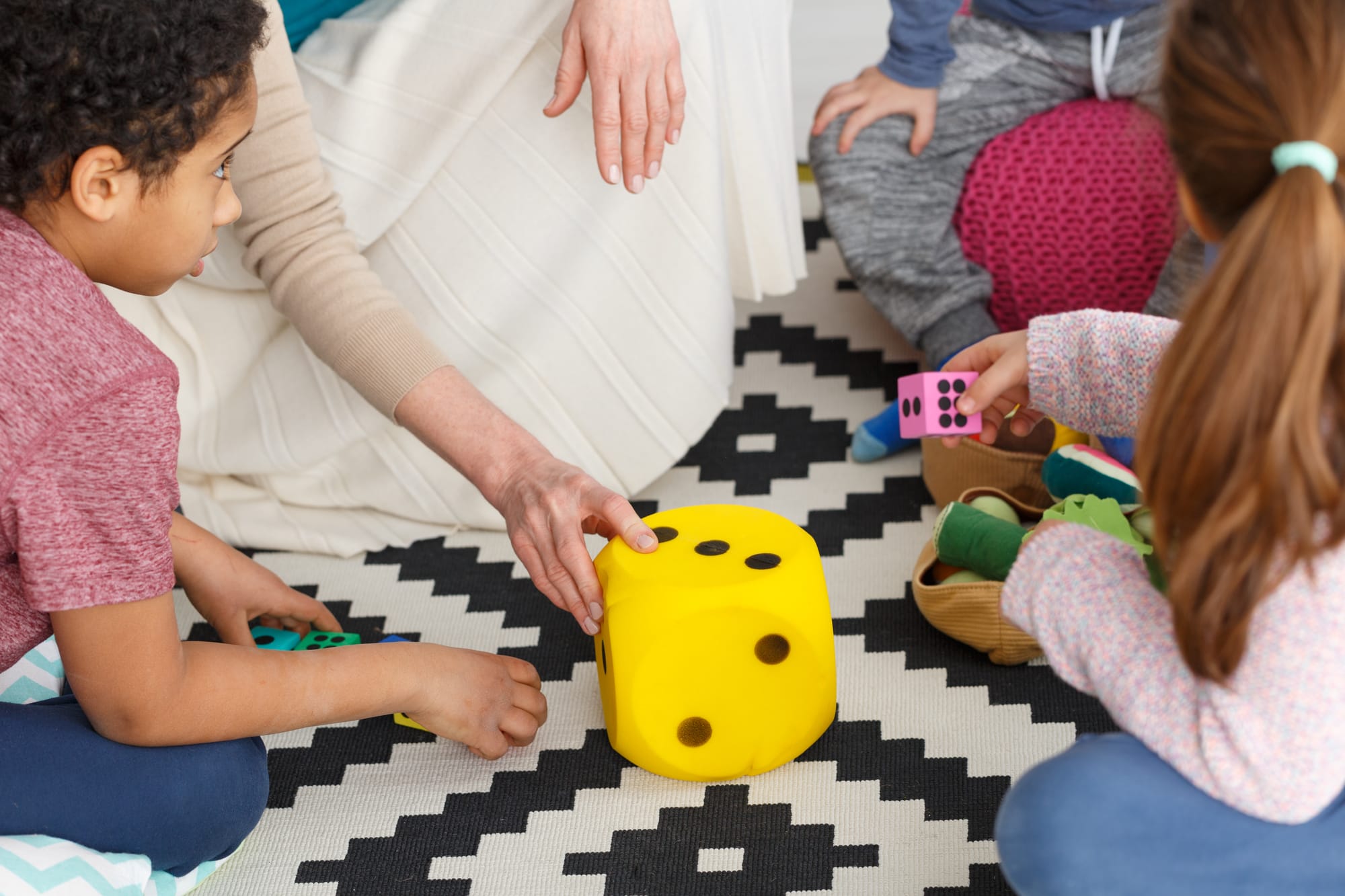
5. Age-Appropriate and Safe: Ensuring the Product Matches Developmental Stage
Why it matters:
One of the most important aspects of any development-friendly product is its appropriateness for the child’s developmental stage. A toy or product should challenge children without overwhelming them, and it should always be safe for their age group.
What to look for:
- Age-appropriate products: Always check the age recommendations provided by the manufacturer. While some products may have broad appeal, it’s important that the product matches your child’s developmental capabilities.
- Safety features: Ensure that toys and products meet safety standards, including non-toxic materials, choking hazard warnings, and secure construction.
- Developmentally appropriate challenges: Look for toys that match your child’s current abilities and provide opportunities to stretch their skills—without being so difficult that they cause frustration.
Examples:
- For toddlers, stacking toys and soft blocks are perfect for developing early motor skills. For older children, building sets or problem-solving puzzles encourage more complex thinking.
6. Sustainability and Environmental Impact
Why it matters:
In today’s world, environmental consciousness is increasingly important. Many parents are now seeking out products that are not only beneficial for their child’s development but also kind to the planet. Sustainable toys support a broader sense of responsibility in children.

What to look for:
- Eco-friendly materials: Products made from non-toxic, recyclable, or sustainably sourced materials help reduce environmental impact.
- Durable construction: Quality, long-lasting toys reduce waste by ensuring the products don’t break easily and need to be replaced frequently.
- Minimal packaging: Products with minimal or recyclable packaging align with sustainable practices.
Examples:
- Wooden toys, natural rubber playthings, and eco-friendly craft materials offer both developmental benefits and environmental sustainability.
Conclusion: Choosing the Right Products for Your Child’s Development
When choosing products for your child, it's important to consider their developmental needs and select items that contribute positively to their growth. A development-friendly product isn’t just something that’s fun; it’s something that encourages learning, growth, and emotional well-being while also being safe and appropriate for the child’s age.
By selecting toys and products that promote cognitive, physical, emotional, and social development, you can help create a rich and supportive environment for your child’s overall growth.