
What Actually Helps Kids Calm Down According to Child Development Experts

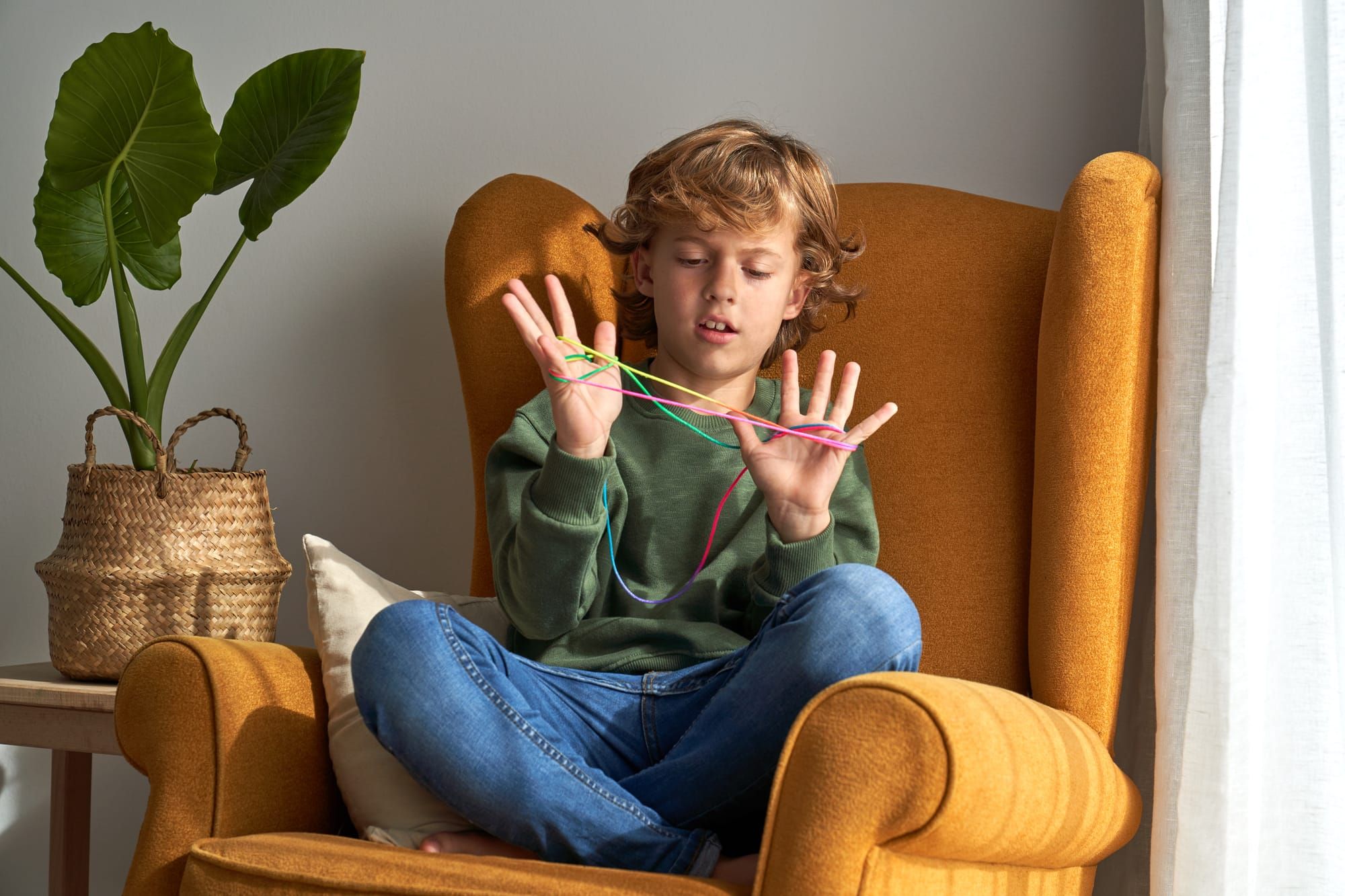
As any parent knows, kids can get overwhelmed, anxious, or upset. Whether it’s a tantrum over a missed snack or frustration after a tough day at school, knowing how to help kids calm down can be a challenge. Thankfully, child development experts have shared valuable insights into how we can help our children regulate their emotions effectively.
In this post, we’ll dive into expert-recommended strategies that can help your child calm down, focusing on practical, research-backed techniques that will work in everyday situations.
1. Deep Breathing Techniques
Why it helps:
Deep breathing is a simple but powerful tool for helping children calm down. By focusing on their breath, children can lower their stress levels and activate their body’s natural relaxation response. Deep breathing works by sending signals to the brain to calm the nervous system, reducing feelings of anxiety and overwhelm.
How to do it:
One common method for teaching deep breathing to children is the “flower and candle” technique. Ask your child to pretend they are holding a flower in one hand and a candle in the other. They breathe in deeply through their nose as if smelling the flower, and then blow out slowly through their mouth as if blowing out the candle. Encourage your child to repeat this for several breaths until they start to feel more relaxed.
Why experts recommend it:
According to child psychologists, deep breathing is one of the most effective and accessible techniques for emotional regulation, especially for younger children. It’s easy for kids to grasp, and with consistent practice, they can use it during moments of stress or frustration to self-soothe.
2. Physical Movement or Exercise
Why it helps:
Physical activity is a natural way to release pent-up emotions and stress. When kids move their bodies, they increase the production of endorphins, the brain’s feel-good chemicals, which helps improve mood and reduce anxiety. Regular movement can also help kids build resilience to stress and improve their overall emotional regulation.
How to do it:
When your child is feeling upset, try engaging them in simple physical activities like jumping on a trampoline, running around the yard, or even just dancing to music. For older kids, activities like yoga or even taking a walk can help to ground them and release built-up tension.
Why experts recommend it:
Research shows that children who are regularly active tend to have better emotional control and can cope more effectively with stress. Experts suggest encouraging physical activity as part of a child’s daily routine to build emotional resilience.
3. Calming Sensory Tools
Why it helps:
Sensory tools, like stress balls, textured blankets, or calming jars, can provide children with a comforting tactile experience that helps them regulate their emotions. These items work by giving children something to focus on and physically interact with, which helps distract them from their anxiety or frustration. They also provide sensory feedback that can help kids "self-regulate."
How to do it:
Try having a collection of sensory tools available for your child to use when they feel upset. Stress balls, textured fabrics, or even a weighted blanket can be helpful. Another option is a calming jar, where glitter is suspended in water. Watching the glitter slowly settle down gives children something to focus on and can help calm their nervous system.
Why experts recommend it:
Child therapists and psychologists often recommend sensory tools for kids with sensory processing issues or for those who experience intense emotional responses. These tools help soothe the body and mind, making it easier for children to return to a calm state.
4. Time-Outs for Reflection (Not Punishment)
Why it helps:
Time-outs are often misunderstood as a punishment. However, when used correctly, time-outs can provide children with a chance to reflect on their behavior and take a break from overwhelming emotions. It’s not about isolating the child but offering them a quiet space to regain control over their feelings.
How to do it:
Instead of sending your child to their room for punishment, designate a "calm-down corner" or a quiet space where your child can go to reflect and reset. Provide comforting items like a soft pillow or a favorite stuffed animal. Allow them to stay in the space until they feel ready to engage with others.
Why experts recommend it:
Experts emphasize that time-outs for reflection should be used as a way for children to regain composure, not as a means of punishment. The key is that the child is allowed to calm down on their own terms, which can help them develop emotional self-regulation skills.
5. Routine and Predictability
Why it helps:
One of the most powerful ways to reduce anxiety in children is to provide them with a predictable routine. When children know what to expect, they feel more secure and in control of their environment. Consistent routines around meals, bedtime, and other daily activities can help children feel more settled and calm.
How to do it:
Establish a consistent daily routine with clear expectations. Use visual schedules or charts for younger children to show what happens next (e.g., snack time, playtime, and bedtime). This helps children feel more confident and less anxious about what’s coming next.
Why experts recommend it:
Studies show that children thrive in environments with clear routines and predictability. Having a structured day provides children with a sense of security, which reduces anxiety and stress, making it easier for them to manage emotions.

Subscribe & Stay with Us
6. Empathize and Validate Their Feelings
Why it helps:
One of the most effective ways to help kids calm down is by acknowledging their feelings. When children feel heard and understood, they are more likely to relax and regulate their emotions. Validation helps children understand that their feelings are normal and okay, which can reduce the intensity of their emotional response.
How to do it:
When your child is upset, instead of immediately trying to fix the situation or stop the crying, try saying something like, “I see that you’re really frustrated. It’s okay to feel upset.” Offering this validation helps children feel seen and heard, which often leads to them calming down more quickly.
Why experts recommend it:
Child psychologists agree that validation is essential for emotional development. It not only helps kids calm down but also teaches them how to label and understand their emotions in the future. It builds emotional intelligence, which is vital for long-term well-being.
7. Engage in Quiet, Calming Activities
Why it helps:
Sometimes, simply offering quiet activities can help a child settle their emotions. Whether it's reading a calming book, doing a puzzle, or coloring, activities that require focus and calmness can help distract a child from their overwhelming emotions and ease their stress.
How to do it:
When your child is upset, encourage them to sit down with a quiet activity. It could be something soothing like reading a favorite story, doing a simple art project, or even engaging in a puzzle. These activities can serve as a calming outlet for your child to release tension.
Why experts recommend it:
Quiet activities help children focus their energy and calm their minds, making it easier for them to transition from high emotional states to a more balanced mood. These activities also give children the opportunity to build self-regulation skills in a fun, non-threatening way.
Conclusion: Building Emotional Resilience Through Calmness
Helping kids calm down is not about making their feelings go away—it’s about teaching them how to manage and regulate those feelings in healthy ways. By incorporating strategies like deep breathing, physical activity, sensory tools, and consistent routines, parents can equip their children with the skills they need to navigate overwhelming emotions. Over time, these tools will help children become more emotionally resilient and capable of managing stress in healthy, constructive ways.